Visa

Digital Solutions
Design Ecosystem
Visa runs the payment network behind thousands of banks and millions of merchants. As mobile changed how people pay and digital products multiplied fast, Visa formed its first design team, Visa Digital Solutions, to bring every product — legacy and new — into one design language and to build its financial platform in-house. That foundation reached past the product into marketing and events, and became the base Visa's digital platform was built on, so payments, cards, and account tasks worked the same way everywhere a customer met Visa.
Auditing the Product Portfolio
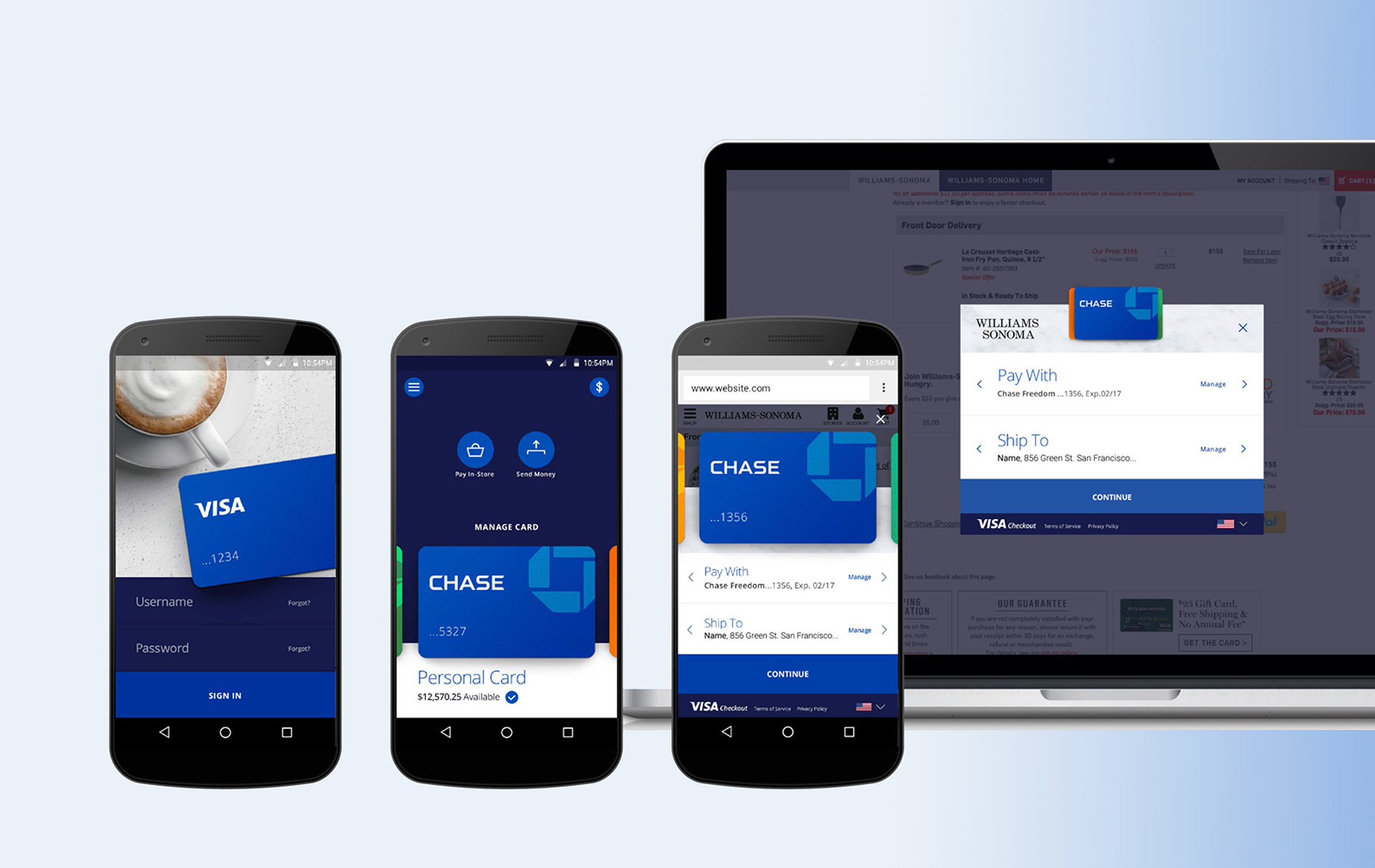
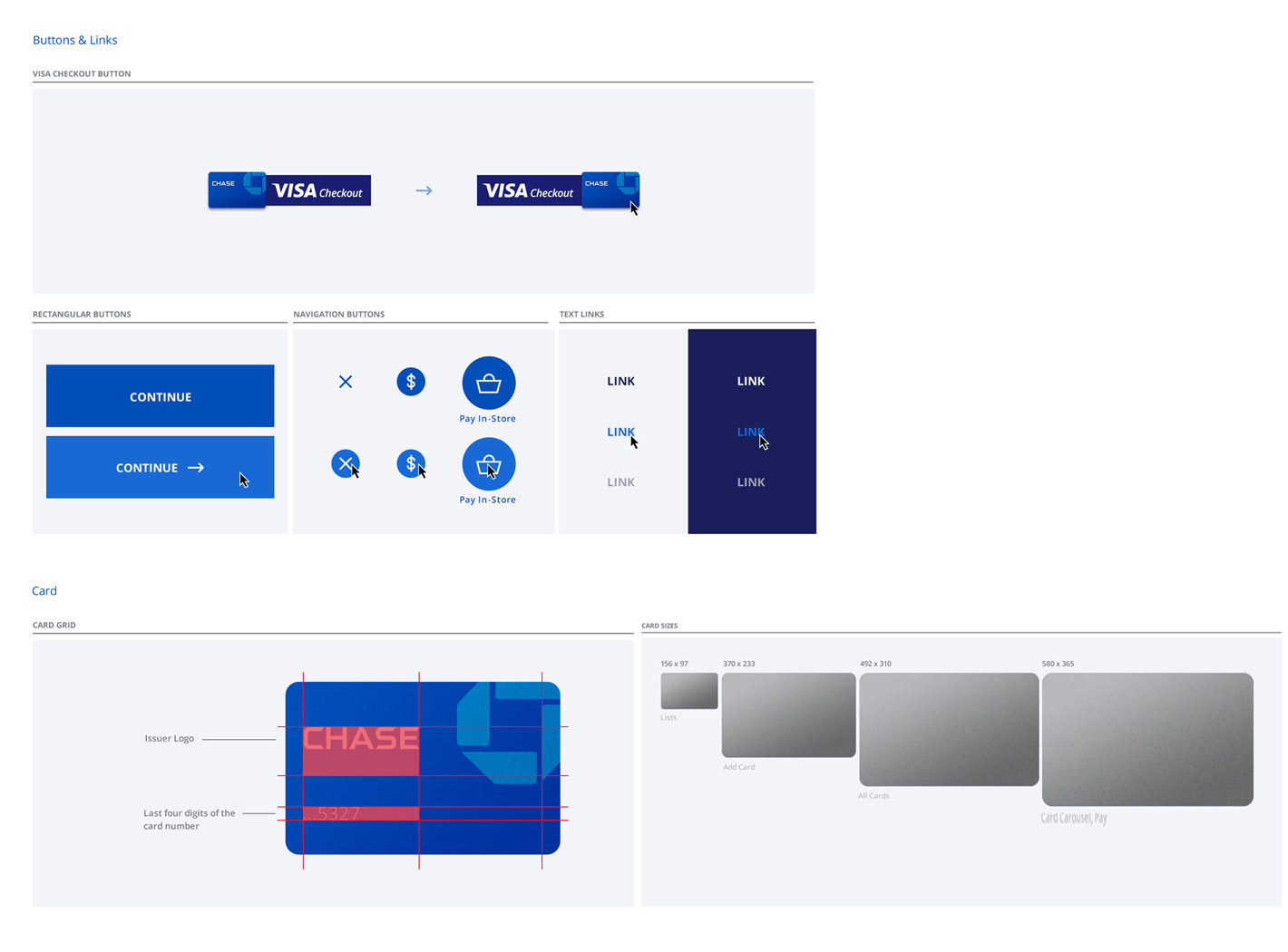
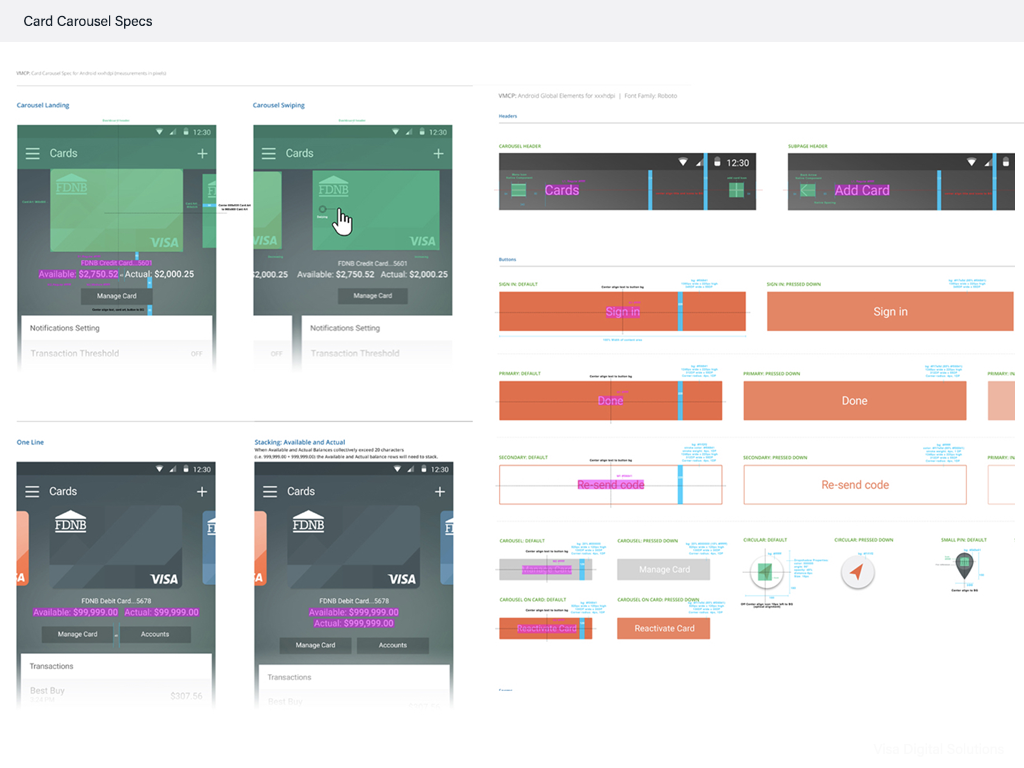
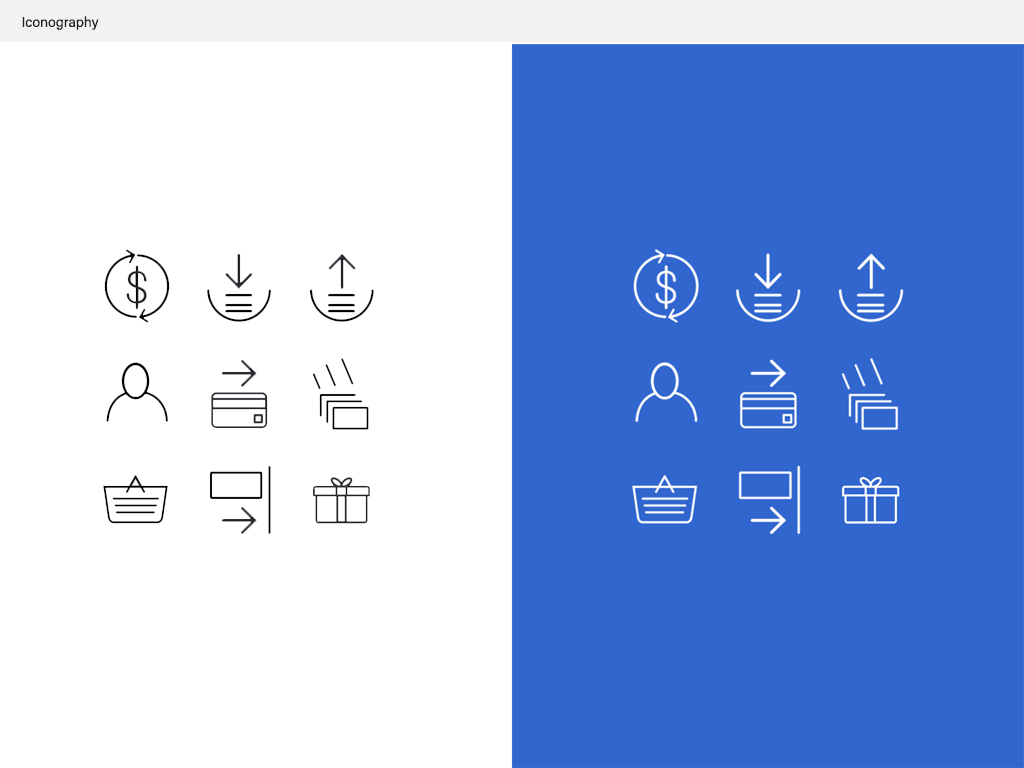
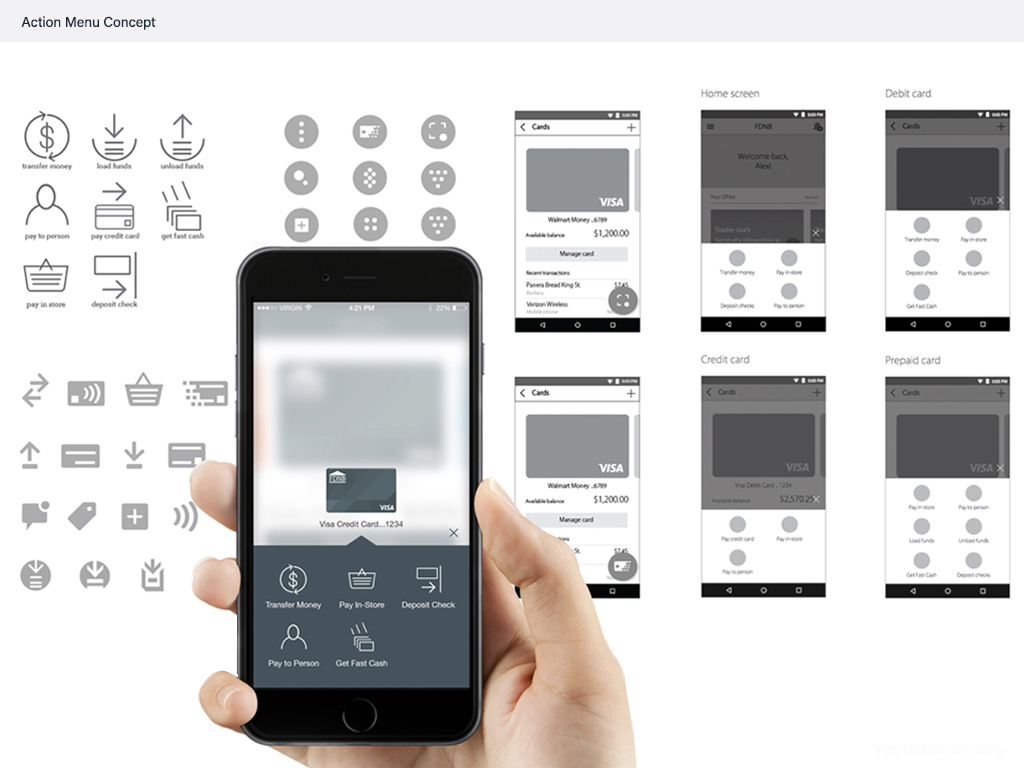
On a team of ten, mostly UX, I owned the visual side of the design system. We started with a feature audit across SDK and web, covering Visa Companion, Visa Checkout, VMCP, mVisa, Connected Card, and HCE Proximity Payments. For each product we mapped the core features — sign-in, card management, payment flows, settings — to see where they already agreed and where they diverged. That map set the order of the work: define the principles, then test concepts against real product flows. In parallel, I built the visual language the wireframes resolved into, along with the component libraries and specs for the developers.
Extending the System Beyond Product
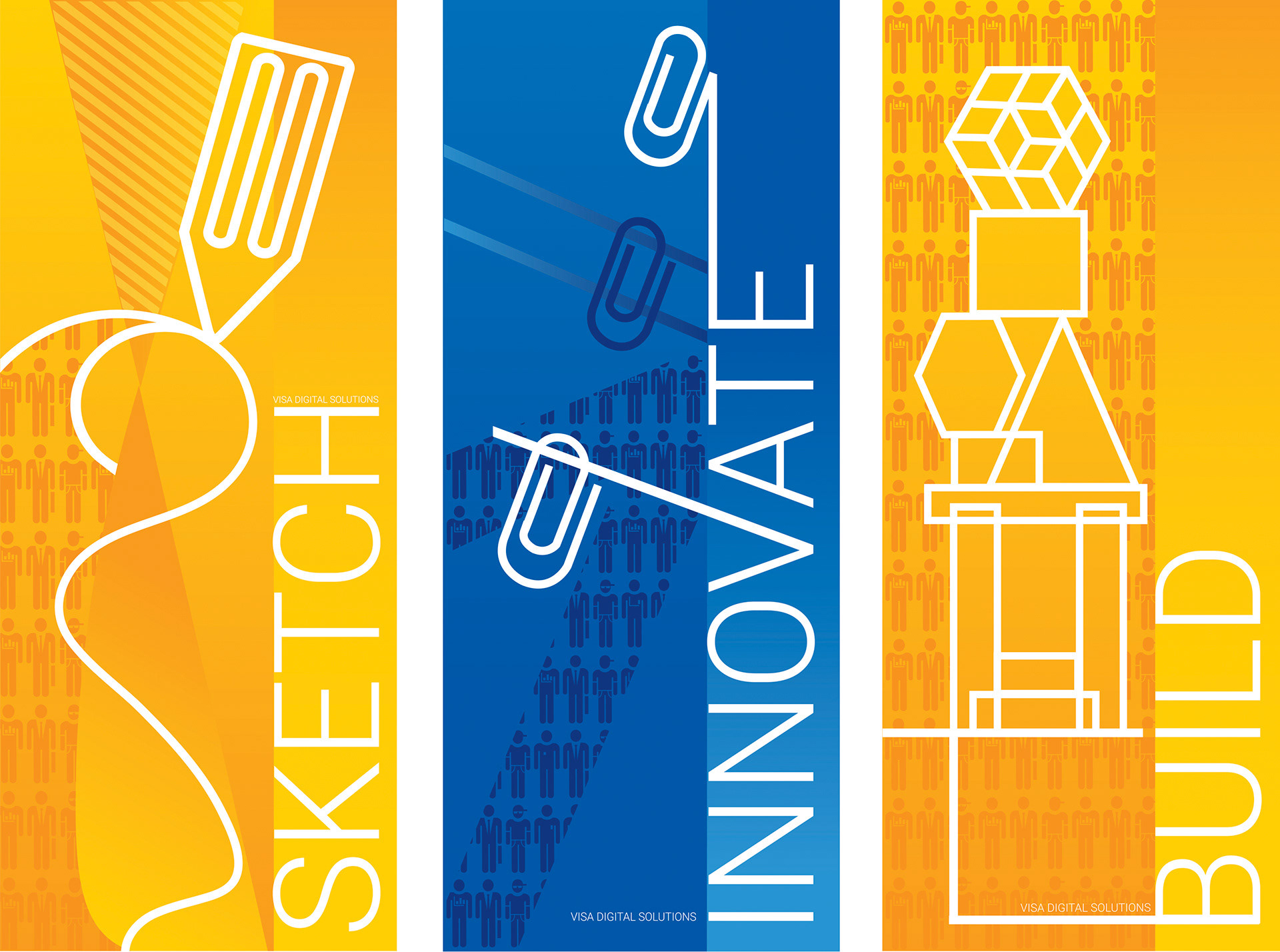
I partnered with marketing and product teams to carry the new brand guidance into everything around the product. That included infographics on customer trust and the impersonal feel of traditional banking, plus branded materials for events and print. The digital system gave those teams more to work with than a logo and a color: icons, type, layout rules, and a way of showing how payments work. Every piece came from the same visual foundation as the digital product, so mobile interfaces, internal events, and marketing collateral held together as one brand.
Launching Design-a-Thone
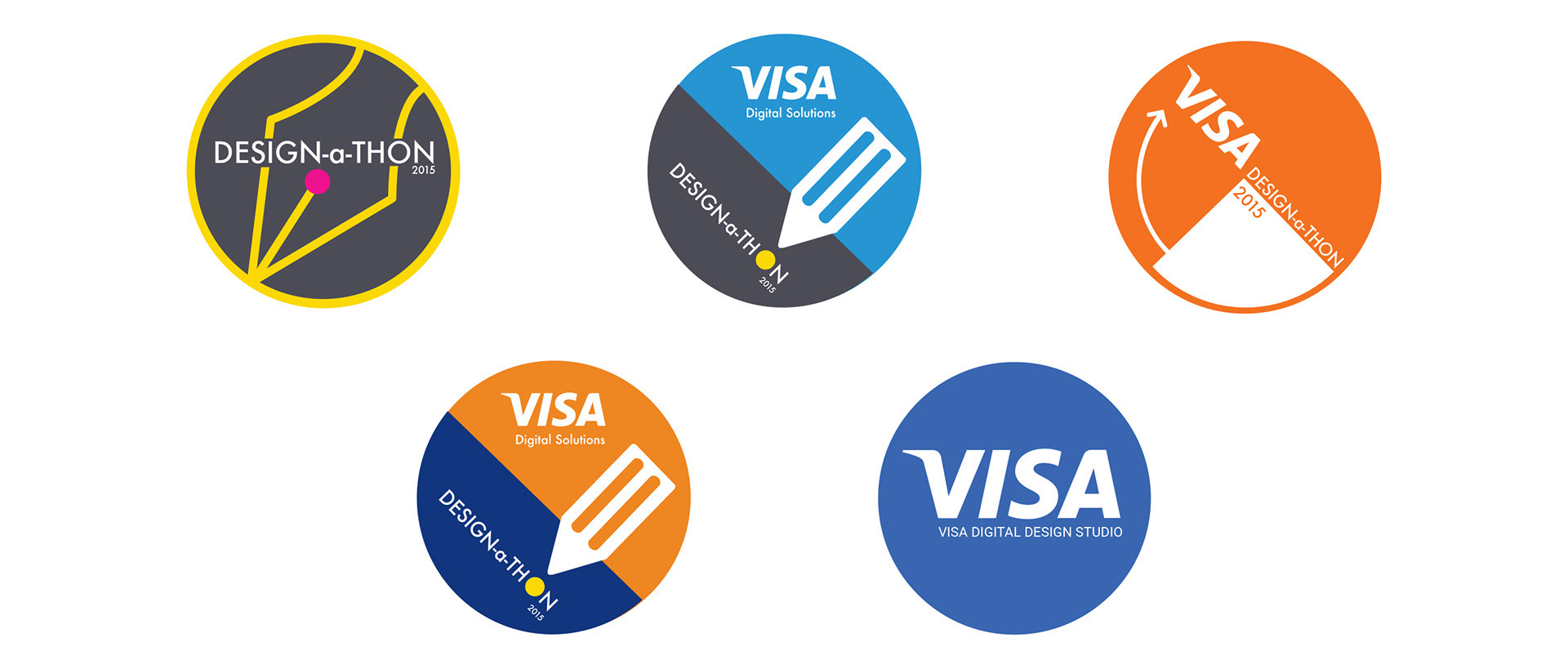
Visa had never run an internal design event before Digital Solutions existed, so there was no moment where teams across the company could see the new guidelines and put them to use. Design-a-Thon was the first of its kind, bringing designers, engineers, and product teams together to define and prototype ideas for the Digital organization. I designed the full suite of branded materials for it, introducing teams to the new visual identity and the principles that tie brand and product together.